
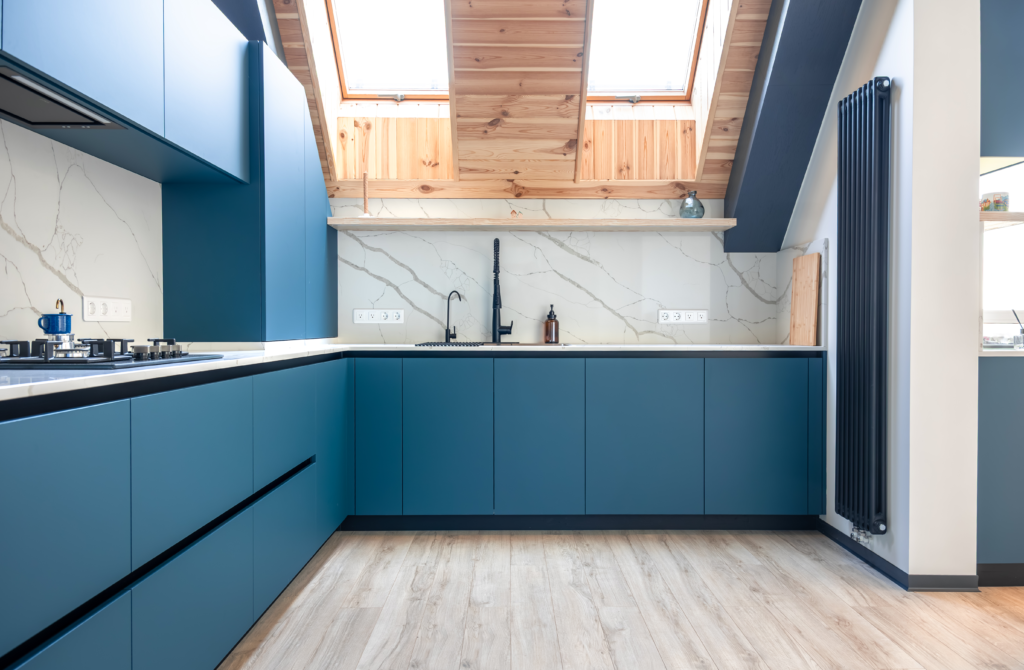
Planning a kitchen renovation involves more than choosing cabinetry, benchtops, flooring, and appliances. While the main project costs are often easy to identify, smaller or unexpected expenses can affect the overall budget. Understanding potential kitchen renovation costs before work begins can help homeowners create a realistic budget and reduce financial surprises during the project.
Kitchen renovation costs can include more than materials and contractor labour. Homeowners may also need to budget for permits, demolition, plumbing or electrical updates, structural repairs, temporary kitchen arrangements, appliance modifications, delivery fees, waste removal, and finishing work. Renovation budget tips include creating a detailed project scope, confirming what is included in contractor estimates, setting aside a contingency amount, and separating essential improvements from optional upgrades.
Why Kitchen Renovation Costs Can Change
A kitchen renovation budget is usually based on the expected scope of work, selected materials, labour, and project requirements. However, the final cost can change when conditions behind walls or beneath existing surfaces become visible. Changes to the design, material selections, appliance specifications, or project timeline can also affect the overall budget.
Permits and Inspection Fees
Some kitchen renovation projects require building, electrical, plumbing, or other permits depending on the location and scope of work. Inspection fees may also apply. Homeowners should confirm permit requirements early and determine whether the contractor includes these costs in the project estimate.
Demolition and Disposal Costs
Removing old cabinetry, benchtops, flooring, appliances, or other materials creates labour and disposal expenses. The cost can vary depending on the size of the kitchen, materials being removed, access to the property, and local disposal requirements. Confirm whether demolition and debris removal are included in the initial estimate.
Unexpected Plumbing Repairs
Moving a sink, dishwasher, refrigerator water line, or other plumbing fixture can increase project costs. Older plumbing systems may also require repairs or replacement once walls or cabinetry are removed. Including a contingency for potential plumbing work can provide greater budget flexibility.
Electrical Updates
Modern kitchens often require sufficient electrical capacity for appliances, lighting, power points, and other equipment. Older homes may need wiring updates, additional circuits, power point changes, or switchboard work. Electrical modifications can become an important part of the renovation budget when the existing system does not support the new kitchen design.
Structural Changes
Removing a wall, changing an opening, relocating major fixtures, or altering the kitchen design and layout may involve structural work. Depending on the property, these changes can require additional labour, engineering input, permits, and materials. Homeowners should confirm whether proposed layout changes affect structural elements before finalising the budget.
Cabinetry Costs
Cabinetry costs can represent a significant portion of a kitchen renovation budget. Pricing can vary based on cabinet construction, materials, finishes, dimensions, hardware, storage features, and customisation. Homeowners should account for fillers, trim, panels, organisers, and installation rather than budgeting only for the cabinet boxes and doors.
Benchtop and Splashback Costs
Benchtop pricing can depend on the selected material, thickness, edge profile, measurements, fabrication, cut-outs, and installation. Splashback costs can also vary according to tile selection, installation complexity, surface preparation, and layout. Measuring these areas after the final design is confirmed can help produce a more accurate estimate.
Appliance-Related Expenses
New appliances can introduce costs beyond the purchase price. Installation, delivery, electrical connections, plumbing connections, ventilation changes, cabinetry modifications, and disposal of old appliances may all affect the budget. Homeowners should confirm the exact installation requirements for each appliance before purchasing.
Lighting and Finishing Details
Lighting is sometimes treated as a minor expense, but a kitchen renovation may require new fixtures, switches, downlights, under-cabinet lighting, wiring, or dimmers. Finishing details such as trim, handles, paint, sealants, and touch-ups can also add to the final project cost.
Flooring and Subfloor Repairs
Replacing kitchen flooring may reveal damaged or uneven subflooring. Repairs may be necessary before new flooring can be installed. The budget should account for both the visible flooring material and possible preparation work underneath it.
Ventilation and Rangehood Requirements
A new cooktop or rangehood may require a different ventilation setup. Changes to ductwork, external venting, electrical connections, or cabinetry can increase the cost of the project. Homeowners should review ventilation requirements when selecting appliances and planning the kitchen layout.
Delivery and Material Handling Fees
Large renovation materials may involve delivery, special handling, storage, or installation charges. Cabinetry, benchtops, appliances, flooring, and other materials may arrive at different stages of the project. Confirming these fees before ordering can help avoid unexpected additions to the budget.
Temporary Kitchen Expenses
During a major renovation, homeowners may have limited access to their kitchen for several weeks. Temporary meal preparation equipment, portable storage, or additional dining expenses may become part of the household budget. Planning for this period can make the renovation easier to manage.
Design Changes During the Project
Changing cabinetry layouts, benchtops, appliances, finishes, or other selections after construction begins can increase both material and labour costs. One of the most useful renovation budget tips is to finalise important design decisions before work starts whenever possible.
Labour and Project Timeline Changes
Labour costs can increase if the project takes longer than expected or requires additional trades. Delays caused by material availability, design changes, inspections, or unexpected repairs can affect the schedule. A clear project scope and timeline can help homeowners understand how labour is calculated.
Contingency Funds for Unexpected Costs
A contingency fund provides room for expenses that cannot be identified during the initial planning stage. The appropriate amount depends on the age of the home, renovation scope, property condition, and level of design change. Keeping contingency funds separate from the core renovation budget can make unexpected expenses easier to manage.
How to Build a More Accurate Kitchen Renovation Budget
Before starting the project, homeowners can create a detailed budget covering both expected and potential expenses. Consider including:
- Design and planning
- Permits and inspections
- Demolition and disposal
- Cabinetry costs
- Benchtops and splashbacks
- Appliances and installation
- Plumbing and electrical work
- Flooring and preparation
- Lighting and hardware
- Painting and finishing
- Delivery and storage
- Labour
- Contingency funds
How to Keep Kitchen Renovation Costs Under Control
Managing a renovation budget does not necessarily mean choosing the least expensive materials. Instead, homeowners can prioritise the improvements that matter most, compare estimates, finalise selections early, and avoid unnecessary changes after construction begins. Clear communication with the renovation team can also help identify potential cost changes before they occur.
Review Your Contractor Estimate Carefully
A detailed contractor estimate should make it easier to understand what is included in the project price. Review labour, materials, installation, demolition, disposal, permits, and other relevant expenses. Ask questions about any allowances, exclusions, or items that could change during construction.
Conclusion
Understanding kitchen renovation costs requires looking beyond the major materials and contractor quote. Permits, demolition, cabinetry costs, plumbing, electrical work, structural changes, appliance installation, delivery, finishing, and unexpected repairs can all influence the final budget.
By planning carefully, reviewing estimates, and maintaining a contingency fund, homeowners can approach a kitchen renovation with a clearer understanding of the potential expenses. Get in touch with Big Fella Cabinets for kitchen renovation services and expert guidance to help you save money on your kitchen project.
FAQs
Q1: What are the most common hidden kitchen renovation costs?
Common unexpected expenses can include demolition, disposal, plumbing repairs, electrical updates, structural work, appliance installation, subfloor repairs, permits, and finishing details.
Q2: How much should I budget for unexpected kitchen renovation expenses?
The appropriate contingency depends on the project’s scope and the condition of the home. Discussing potential risks with your contractor can help determine a suitable contingency amount.
Q3: Are cabinetry costs a major part of a kitchen renovation budget?
Yes. Cabinetry costs can represent a substantial portion of the budget, particularly when homeowners select custom designs, specialised storage features, premium finishes, or additional trim and hardware.
Q4: Are cabinetry costs a major part of a kitchen renovation budget?
Create a detailed scope of work, confirm what contractor estimates include, finalise major selections before construction, and maintain a contingency fund for unforeseen expenses.
Q5: What should a kitchen renovation budget include?
A complete budget can include design, permits, demolition, cabinetry, benchtops, appliances, plumbing, electrical work, flooring, lighting, labour, delivery, finishing, disposal, and contingency funds.